
Something I’ve been asked many times before when I talk to m…
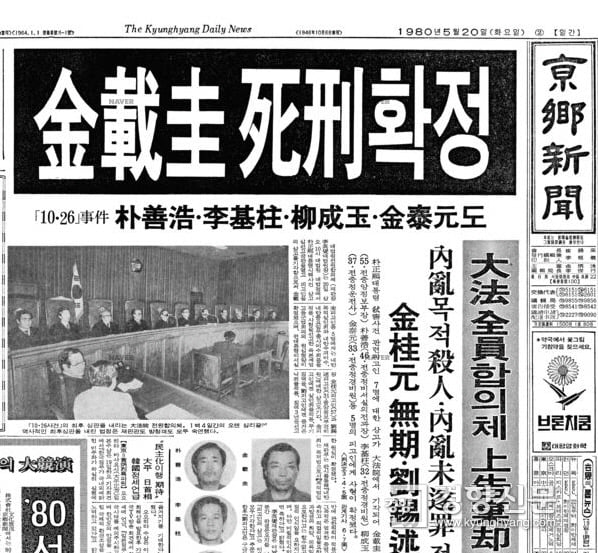
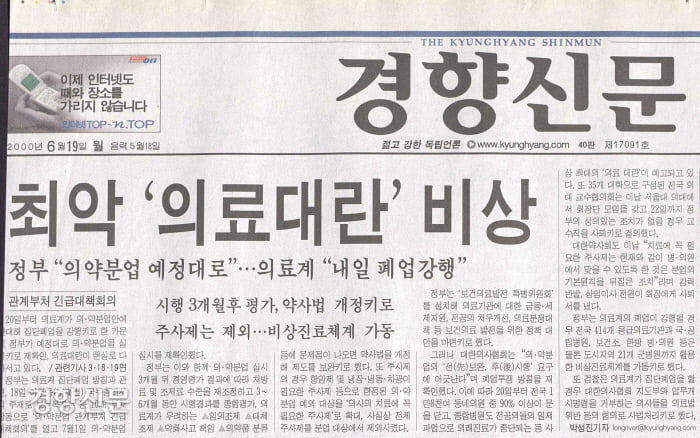
Something I've been asked many times before when I talk to my Chinese friends is "why do some Koreans know lots of Chinese characters and the rest know next to nothing?" 1. Those in Korea that are 40 years old or older would have had their 한문([hanmun] 漢文) classes as part of the nationally required curriculum in middle school and high school, most likely one hour per week. 한문 means Chinese writing/literature and they teach very basic vocabulary and some grammar, using Classical Chinese poetry and sometimes using the Thousand Character Classic(千字文) as a primer. The idea is that Classical Chinese is to Korean as Latin is to English, to an extent, and so learning 한문 should give you a deeper understanding of Korean, and it often does. A clarification: They weren't teaching "Chinese" to their students. It was Sino-Korean words written in their original Chinese characters but still pronounced in Korean. For example, 隰有萇楚 is read as seup-yu-jang-cho( https://youtu.be/Dc5mlz9I17U?t=29 ) in Korean, which sounds very different from modern Chinese( https://youtu.be/rZSIvf-YCtA?t=142 ) but a bit more similar to Middle Chinese pronunciation. ( https://youtu.be/rZSIvf-YCtA?t=48 ) Using Classical Chinese texts from 2000 years ago to study Chinese characters has one obvious disadvantage in that it(汝何往乎?) is often very different from modern Chinese(你去哪里?). Even the grammar is either very different or nearly nonexistent in Classical Chinese. Therefore, even if you got nothing but As in 한문 classes, you still wouldn't be able to speak or write or.. understand modern Chinese. Keep in mind though, that with the classes being only one hour per week and all the kids focused on core subjects that are more relevant to college entrance exams, no one really learned much. 2. Although it was already considered a dying field in Korea when I was in school, the Sino-Korean literature curriculum is very detailed. I still remember being taught the classifications of Chinese characters, like pictographs, e.g., 木, ideographs, e.g., 一, compounds and loans, etc. I especially found interesting the compound ideographs like two trees(木+木) becoming a grove(林) which is combining two meanings to make a new character, and then of course the phono-semantic compound characters like 沐([mù] to wash oneself) which takes a part of the meaning from 氵(water) and the sound [mù] from 木(tree), etc, which makes up most of Chinese characters. Imagine making a Korean friend who doesn't speak any Chinese, but being able to talk about Chinese etymology with him/her. 3. Until a hundred years ago, travelers from China, Korea, Japan, and Vietnam would write down simple phrases in Chinese to communicate with each other, because although they sounded different(sometimes very similar) in all those languages, many could still read and write Classical Chinese words. Vietnam stopped using Chinese characters(Chữ Nôm) in 1918 and most Vietnamese now wouldn't know many Chinese characters. Japan still uses Chinese characters but they simplified theirs around the same time Mainland China did. Some of it is compatible with the Simplified Chinese characters used in China. Korea still shares the traditional Chinese characters with Taiwan, save for a few characters created in Korea such as 畓([dap] Rice field/paddy. 水田 but conveniently combined into one. Water + Field. Still used in Korean today) or 亇([ma] Hammer because… it's shaped like a hammer. Not used as much in Korean now.) 4. Korean publications used to contain lots of Chinese characters, somewhat similar to how Japanese is written today, with maybe 70-80% of the text being in Korean, and the rest in Chinese characters. Since the '90s, nearly all have switched to Korean only, when everyone realized it doesn't take away much even when the text is written in Korean only; everyone understood the meaning of the Sino-Korean word written in Korean even without seeing the original Chinese characters for it, thanks to the context. Sino-Korean literature education started going away around the same time too and now there are few Korean universities that even have a Sino-Korean Literature Education department. Naturally, Koreans under 40 weren't forced to learn all this and that's why there's that big generational gap when it comes to knowledge of Chinese characters among Koreans.
Leave a Reply